


Overview
The Northern Safari Circuit’s attractions are included in this 6-Day Lodge & Tented Camp Tanzania Safari. In some of the most diverse places, we witnessed amazing animals, such as elephants amid the acacias, lions in the trees, monkeys in the forest, and other critters within a collapsed volcano, on a Six-Day Safari in Tanzania. The renowned Serengeti National Park will also be on our itinerary. The richness and number of creatures we will witness will leave us with unforgettable memories, and the setting is just stunning!
A budget camping safari itinerary is another option that you may recommend or select; it can be modified to fit your preferences and needs, as well as seasonal variations or migratory animal movements.
Tour Highlights
- Departure and Return Place: We can start/end this tour from any hotel in Moshi/Arusha or from Kilimanjaro International Airport(Google Map)
- Departure Time: Please be ready by 8:15 AM for a prompt departure at 9:30 AM.
- Return Time: Approximately 10:30 AM on the last day.
- Dress Code: Casual. Comfortable athletic clothing, hat, and spare clothing.
- Extensions: Trip Extensions are available on request.
- Your own private guide and driver for in-depth wildlife touring based on your interests.
- Customizations: Can be amended/customized upon request, to suit your requirements.
- Season: The Dry season (from late June to October) offers the best wildlife viewing in general – with the wildebeest migration as its absolute highlight. The timing of the migration varies every year (the best chance of seeing it is during June and July) while the wildebeest calving is from late January to February.
- Around-the-clock support from your travel designer and concierge before, during, and after your trip.
You will be picked up at the Kilimanjaro International Airport and transferred to your arranged hotel in Arusha town. You will meet your guide who will brief you on your Africa Safari tour. You will spend the rest of your time at your leisure and relaxation
After breakfast, our Safari Guide will collect you with a Tanzanian smile from your lodgings for the drive to Lake Manyara National Park. Manyara, a relatively small but diverse park 120km west of Arusha, is so named for the shallow salt lake that occupies a good seventy per cent of the park's lands. Flooding and drying seasonally, this soda lake is home to thousands of flamingos and over 500 other bird species. On our exploration of the park, we see monkeys, giraffes, zebra, wildebeest, buffalo, elephants and with some luck, lions lounging in the trees. The park is known for its diverse landscapes, not only open grassy plains but also primate-filled woodlands and baobab-dotted cliffs. After our full day in the park, we drive to our accommodation, where we will be allowed to relax and enjoy a sumptuous meal with our comfortable quarters awaiting us.
After breakfast, we journey on heading up towards the fertile highlands where wheat, coffee, and corn, are grown by the Iraqw people. Passing through the Ngorongoro Conservation Area, we will be afforded a view of the breathtaking Ngorongoro Crater before travelling onwards to the Serengeti National Park which we will reach by midday. The Serengeti National Park is the largest in Tanzania covering an astounding 15,000 km squared with diverse landscapes and habitats such as grassy plains, swamps, lakes, savannah and mountains. Here the great migration of wildebeest, zebra, and antelope takes place and, depending on the season, we may have the opportunity to witness thousands of animals in their search for food and water.
After an extensive game drive, we drive to the Seronera Valley for an evening meal and overnight stay.
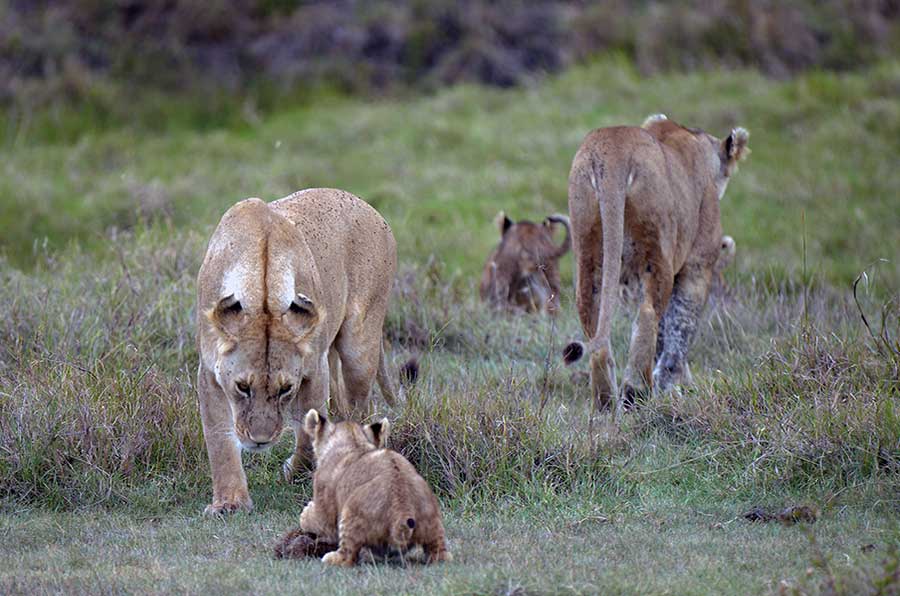
This entire day is set aside for game drives upon the Serengeti. The Serengeti, the habitat of an abundance of wildlife such as impala, buffalo, crocodile, and hippo, is more well-known for its great migrating herds of zebra, antelope, and wildebeest. The animals’ trek is determined by the rainfall and varies from year to year. In November and December, the animals move from the northern region, dominated by woodlands and hills, to the grassy plains of the south. During the longer rainy season from April to June, they return to the north. Apart from the migrating herds, we may have the opportunity to see the resident predators, leopard, cheetah, and lion, fulfilling their role in the circle of life.
After an unforgettable day, we will return to our accommodation for relaxation, dinner and our overnight sleep on The Endless Plain.
After breakfast, you will drive from Serengeti National Park to the Ngorongoro Crater.
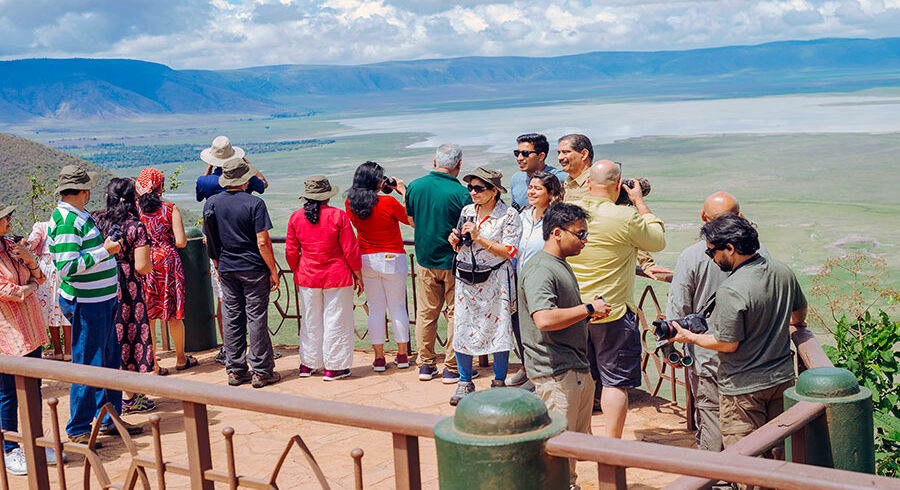
When you first see Ngorongoro Crater, it looks like a forgotten world. Concealed by the steep volcanic walls is a pristine wilderness including sweeping savannah, pockets of acacia woodland, and glistening lakes and swamps. The Crater was created when a large volcano exploded and collapsed in on itself two to three million years ago.
The drive down into the Crater is an adventure in itself and when you reach the Crater floor, you quickly find yourself amongst large numbers of wildebeest, zebra, gazelle, and more than 500 bird species. The Crater provides you with the best chance of seeing the endangered black rhino, which can sometimes be spotted in the open grasslands.
After a full afternoon inside the Crater, you will head to your accommodation for dinner and an overnight stay in Karatu.
After breakfast, we make the short drive to Tarangire National Park. Tarangire, well known for its large elephant herds, consists of a diversity of landscapes, from seasonal swamps to savanna with the Tarangire River wending its way through the parklands. From the open top of our safari truck, we seek to encounter many animals including zebra, wildebeest, buffalo, elephant and giraffe. We may have the experience of seeing Simba stalking his prey or leopards watching whilst relaxing in the trees above. After lunch in the park, with our adventure at an end, we return to Arusha replete with our cache of images of the African wilds to take home with us and carry through our life’s mysterious journey.
Includes
- All Mentioned Safari Activities
- Air Ambulance Service by AMREF Flying Doctors
- Airport Pick-up and Drop-off Transfers
- Hotel Accommodations According to the Itinerary
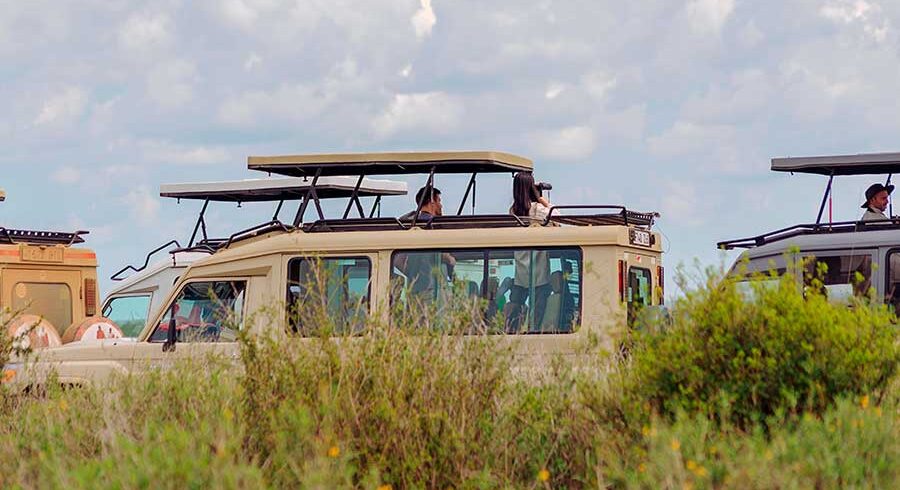
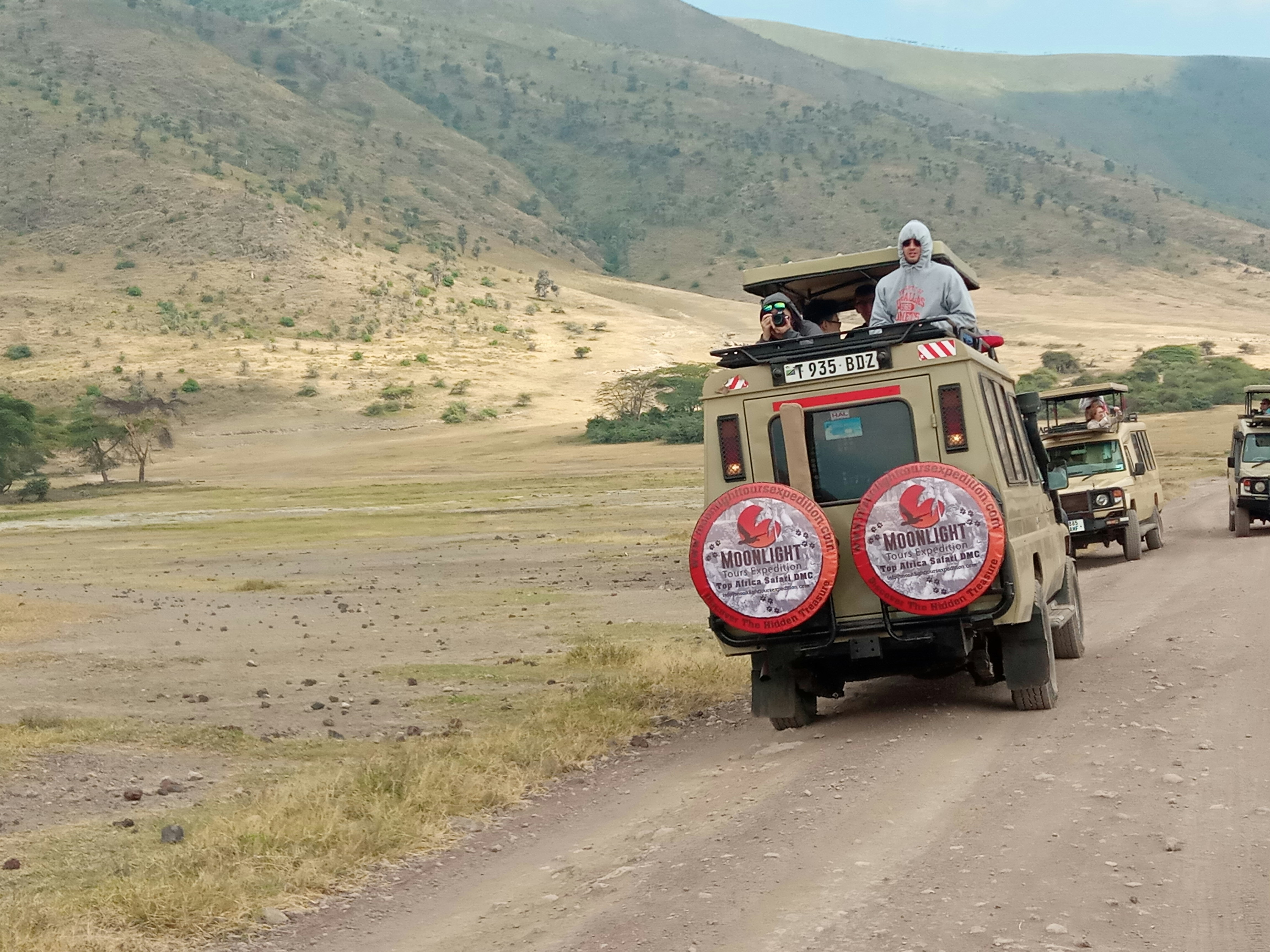
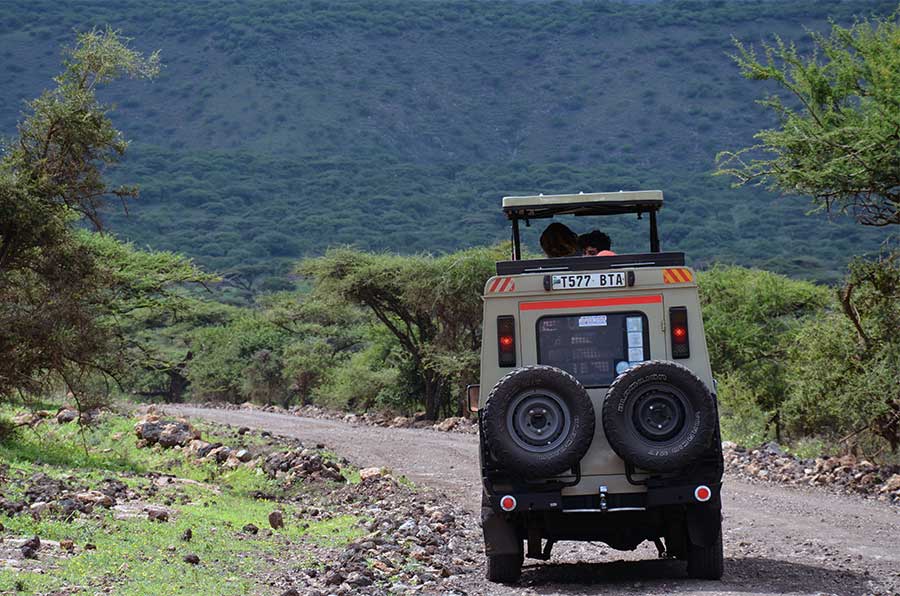
- Transportation in 4×4 Land Cruiser with a pop-up roof for easy game viewing and photography
- All Park Fees
- Experienced English-speaking safari guide
- All Meals according to the Itinerary
- Bottled water and soft drinks throughout the tour
- Binocular (1 per Vehicle)
- Medical kit
- 18% VAT on Tour Fees & Services
- Crew salaries
Excludes
- Air tickets
- Visa fees
- Lunch and dinner in the hotel (only before and after safari)
- Travel Insurance
- Tips to your safari guide ($25-45 per day per car)
- Other Optional Activities
- Personal expenses
You will need a passport that is valid at least six months beyond your dates of travel with an entry or re-entry visa, duly endorsed.
Safaris are costly. Tanzania Wildlife Safaris prices depend on the number of people in the trip, how many days of safari and the level of comfort or luxury.
Vegetarian, vegan, gluten-free, celiac, lactose-free or if you have any allergies, just give us a heads up and you will be catered to
We use 4×4 safari vehicles with all the safety regulations and have comfortable seating. The vehicles are well-equipped with binoculars, animal and bird guide books and a first aid kit.
Normally we recommend comfortable, casual, lightweight, washable and layered clothes. Cargo pants and capris are a good idea for outdoor safari activities. Bright color clothes should be avoided as it draws the attention of wild animals.
Our tipping guideline is 15 to 20 USD per client per day to the driver guide, though it is ultimately up to the clients’ discretion to decide what amount is apporpriate. For instance, for a 7 Days safari with two guests, the average tip that is given to Safari Infinity Driver guides are between 150 USD to 300 USD, or even higher, depending on the clients’ overall satisfaction with their driver guide & their safari experience. When you have a personal cook for mobile camping, the tipping guideline is between 5 to 10 USD per person per day, which is also up to the client’s discretion. The recommended currency for tipping is in USD cash, and it is customary for the clients to tip at the end of their safari.
It is important to keep luggage to the barest minimum on Safari or Climb as possible. Baggage should be of round squashy type rather than suit cases that are difficult to fit into jeeps, try to use something that is lockable and waterproof as luggage often end up loaded onto the roof of your Safari vehicle. For budget camping, all camping gear will be provided except only for a 4 season sleeping bag (available for hire). Please Note: On your inbound flight it is common that your checked in luggage arrives later after you have arrived, for some reasons. Therefore don’t check in items that you absolutely need on arrival. (e.g. Medicine). Clothes
- Sun hat
- Shirts (golf or t shirts)
- Long sleeved cotton shirts
- Light cotton shorts
- Long trousers (at least 2)
- Sports bra for women as the roads are bumpy
- Sandals or flip-flops
- Swimming costume (If accommodating in Lodges)
- Warm scarf as it can get cold in the evenings
- Safari jacket
- Sleepwear
- Safari hiking and walking shoes
Note: Bright or white colors are not recommended for safaris. Try avoiding blue as it attracts Tsetse flies. Camouflage clothing is strictly illegal in Tanzania try avoiding them so as not to get arrested. Safari equipments & supplies
- 2 duffle bags (dust & waterproof; 1 for majority of your things and the second one for small and delicate things which you will be carrying on your own and should be as light as possible.
- Camera and video equipment
- If you wear contact lenses it would be safer to bring extra pair of glasses
- A good torch and spare batteries
- Padlocks for your luggage
- Multi-plugs for charging
- A travel towel is light and takes very little space (if camping)
- Deodorant
- Body soap/shower gel (if camping)
- Sunglasses
- Wet wipes, hand sanitizer
- Swiss pocket knife
- Toothbrush, toothpaste, dental floss .
- Shampoo & conditioner (if camping)
- Lip balm
- Q-tips & cotton balls
- Razor & shaving cream
- Small mirror (if camping)
- Plastic bags
- Reading books
- Memory cards, extra batteries, camera chargers
- Visa card is most common
- Fanny packs
The migration basically depends on the weather. Triggered by the rain, the annual pilgrimage must search for water and grass to survive. From about December to May with some seasonal variations in time scale the migrating herds are on the short grass plains from lake Ndutu past Naabi hill.
There they give birth and regain their strength. In May as the water becomes the limiting factor on the short grass plains hundreds of thousands of animals strectching over many kilometres heard Northwest , Simba and Moru become the favourite places to watch them. The migration swings Northeast heading into the neighbouring Masaai Mara Game reserve in Kenya during September.Around October the march begins again heading southwards back to Tanzania crossing the Mara and Kirawira rivers in pursuit of the of the nutritious grass in the southern plains where they began their journey 12 months earlier. This phenomenon is sometimes called the Circular Migration.
Tanzania Safari entrails a great range of lodges and tented camps. However, your Tanzania accommodations depend on the type of your packages like luxury safaris, budget safaris, or our Adventure Camping Safari where we will bring our own tents, a safari cook to prepare your meals, food, and all camping equipment.